Proctoring you can defend, not just trust
Maki turns every session into events, patterns, and a risk level a recruiter can explain end to end.
how it works
How proctoring works
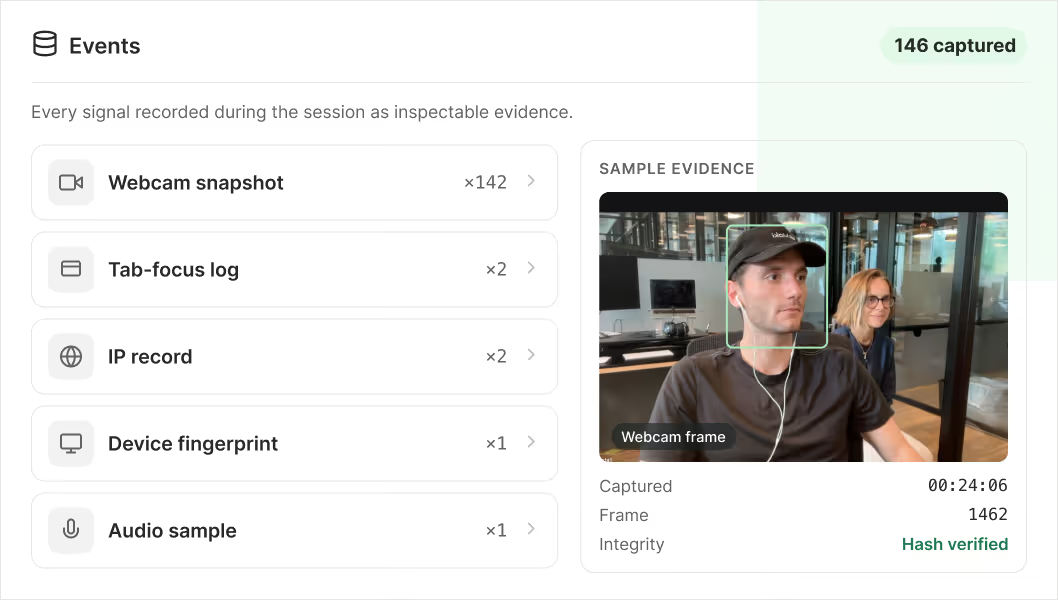
Every signal, captured as evidence
Webcam snapshots, tab-focus logs, IP records and device fingerprints, all stored as structured, inspectable evidence a recruiter can open and review.
Patterns, not one-off anomalies
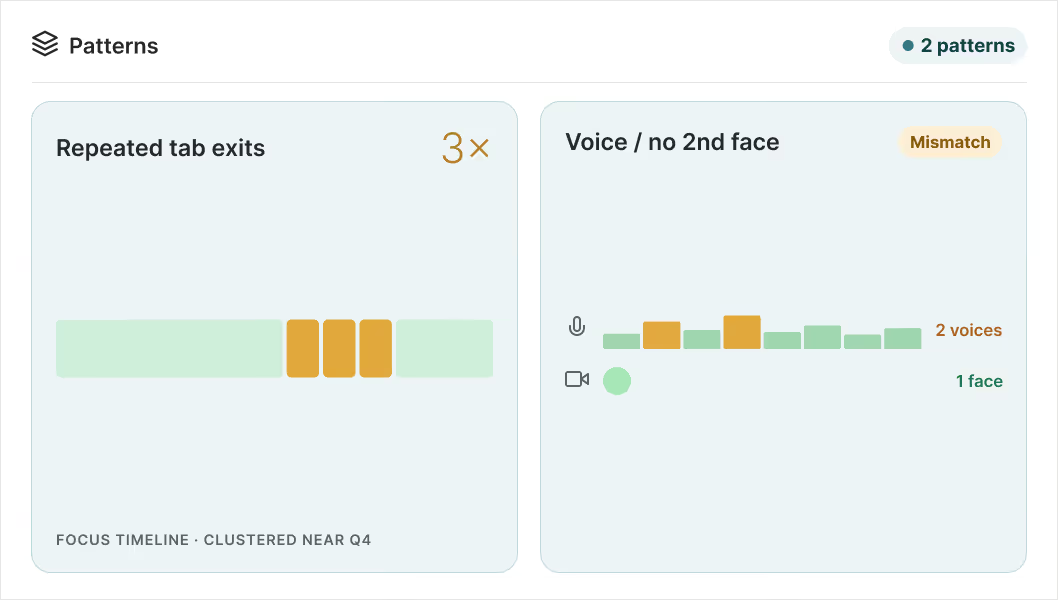
Maki connects repeated and corroborated events across the session, so a single odd moment never drives a decision on its own.
One risk level, tied to the evidence
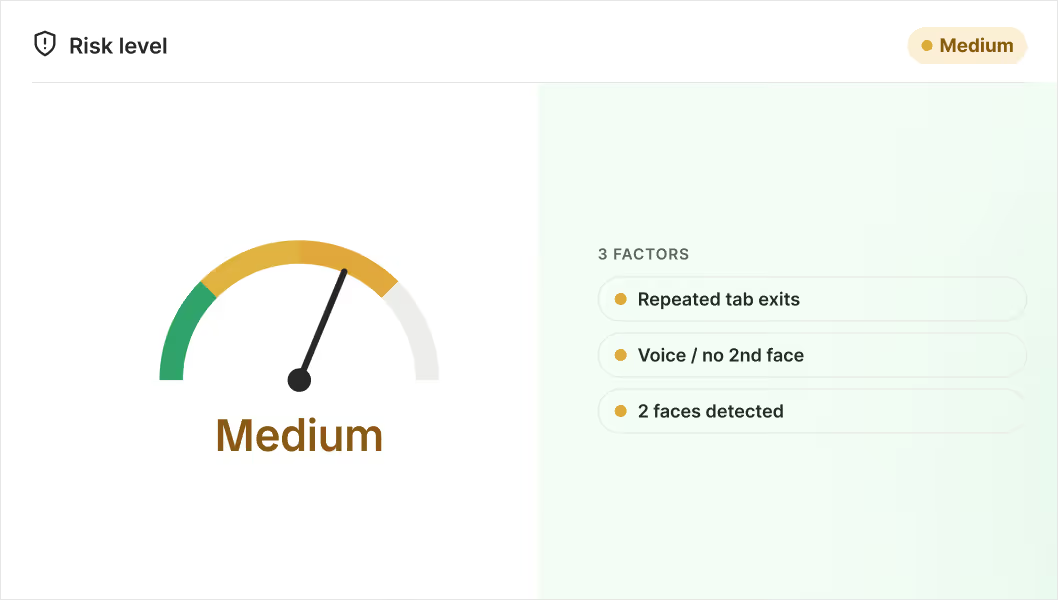
Clear, Low, Medium or High, always traceable back to the events behind it. A level you can explain, not just a red or green flag.
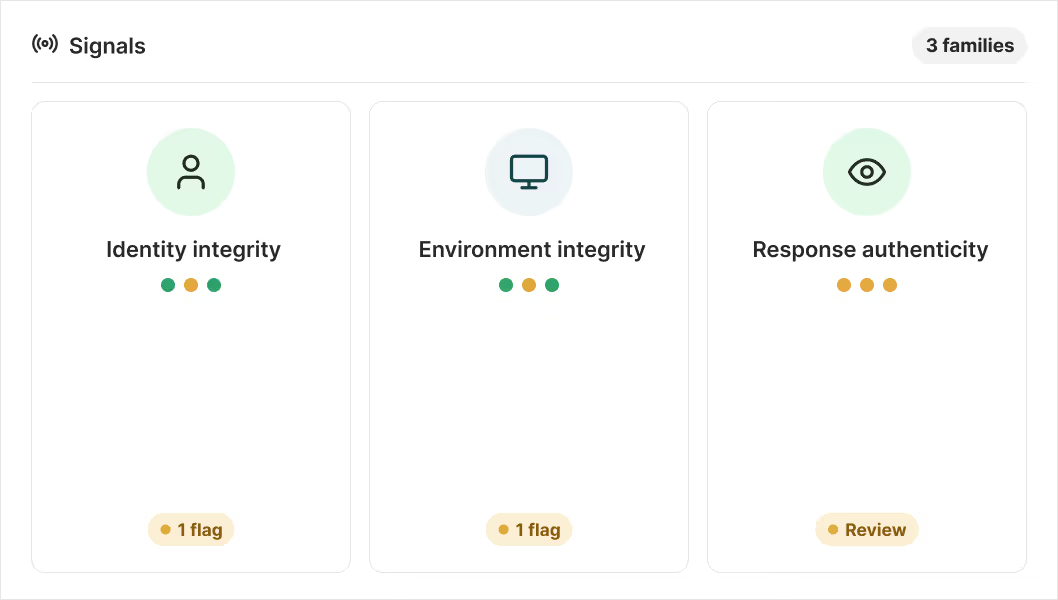
Three signals behind every verdict
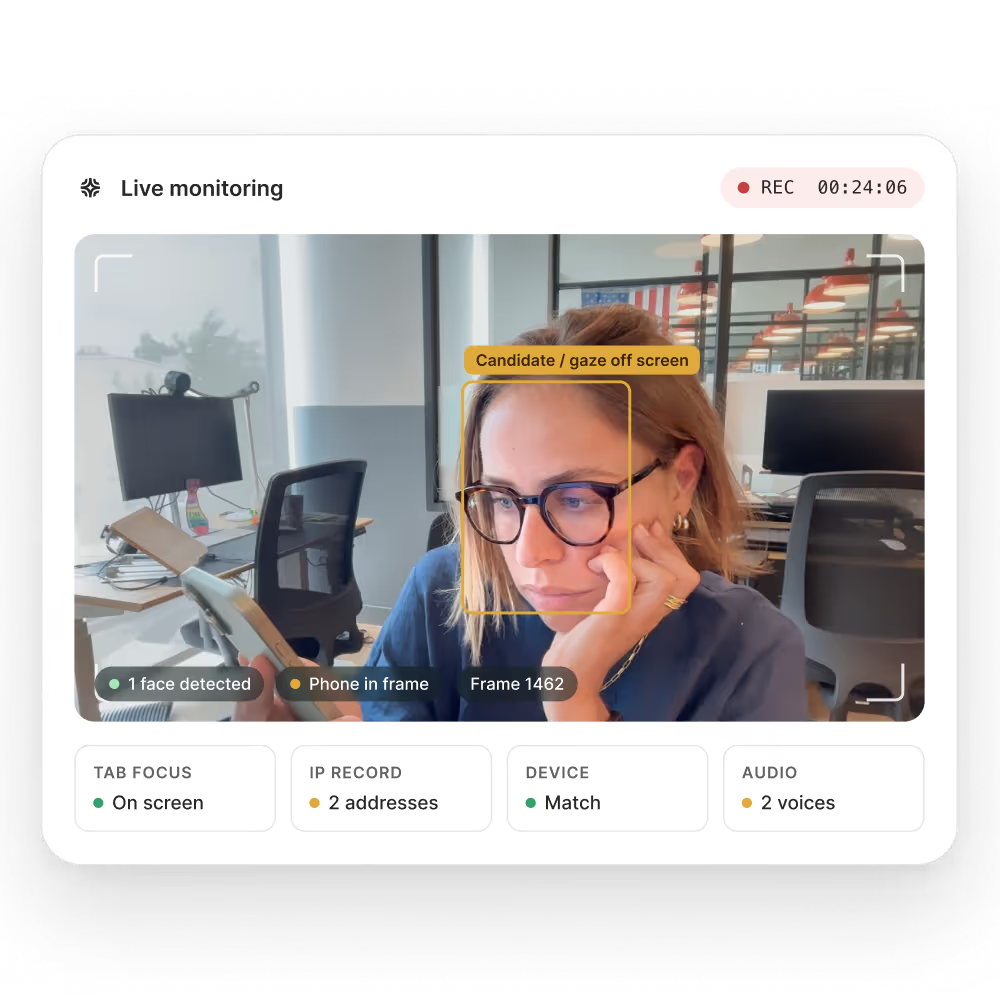
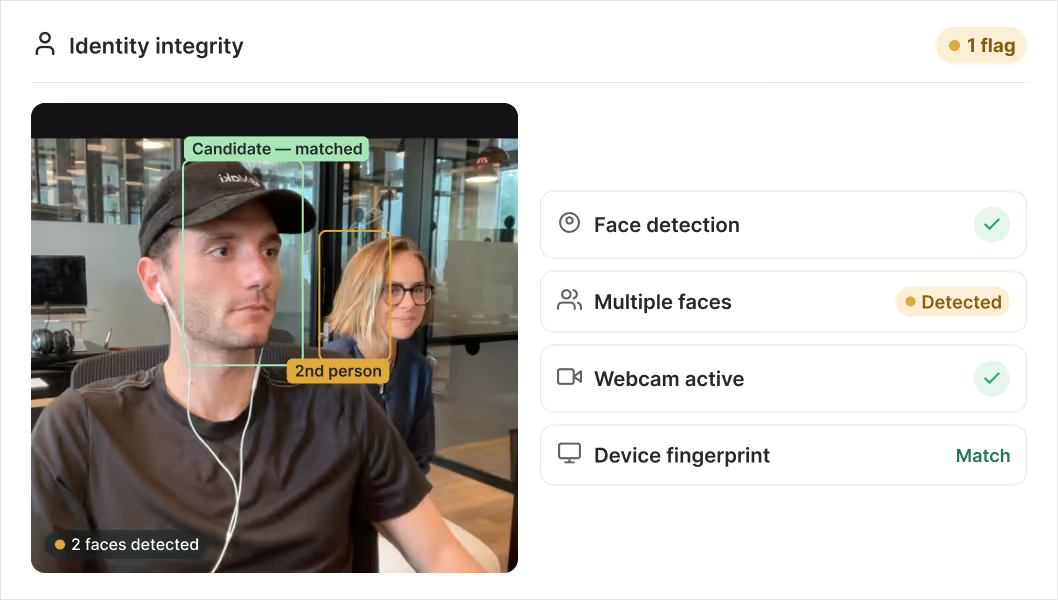
Identity integrity. Is the candidate alone, and who they say they are? Face detection on webcam snapshots, multiple-faces detection, webcam off, matching session via device fingerprint.
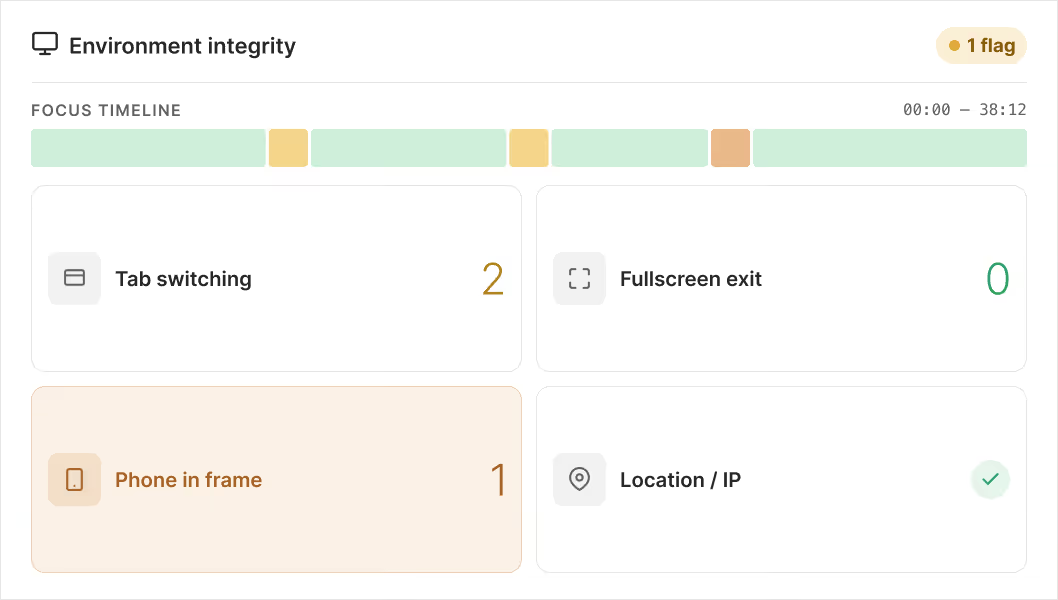
Environment integrity. Is the candidate focused on the assessment? Tab switching, fullscreen exit, object detection (phones, second screen), location/IP consistency.
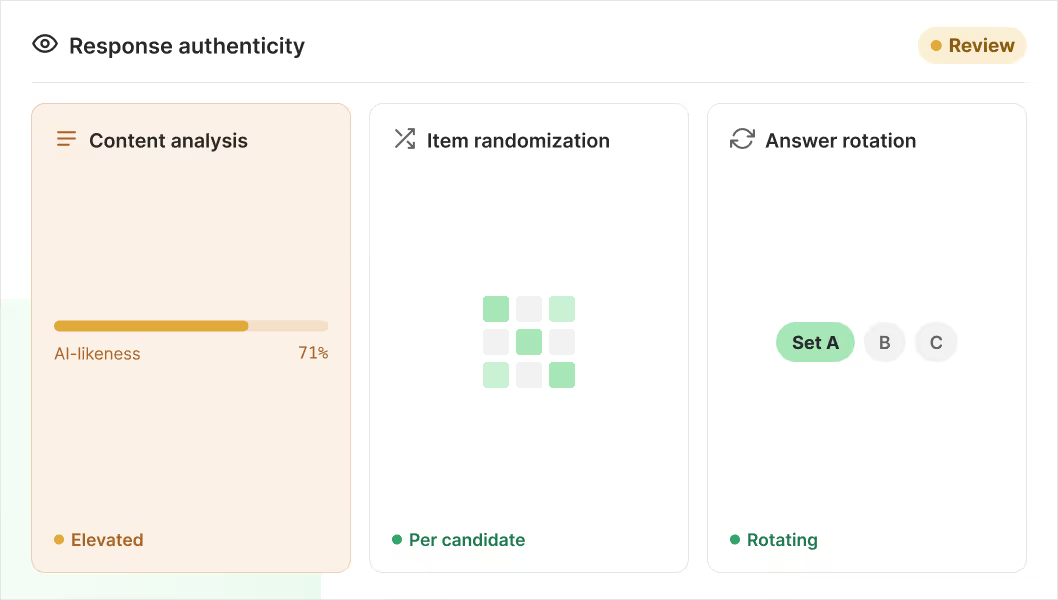
Response authenticity. Is the candidate actually producing the answer? Multimodal detection combining gaze patterns and speech prosody to flag scripted or AI-assisted responses (plagiarism).
Risk surfaces across the journey
Every session resolves to one of four levels, Clear to High, with the evidence behind it one click away.
No integrity events detected
Minor, isolated events. Common under normal conditions, usually no follow-up needed.
Repeated or structured events in at least one category. Review the timeline before moving forward.
Corroborated events across multiple independent checks. Review carefully before making a hiring decision.
Three lines of defense
Assessment integrity, candidate legitimacy and response authenticity work together to keep every result trustworthy, and explainable.
Assessment integrity
Prevents misuse during the assessment itself. AI misuse detection, live assistance prevention, engagement monitoring.
Candidate legitimacy
Ensures the individual is real and acting in good faith. Device realism, network integrity, identity verification.
Response authenticity
Validates answers come from the candidate, not AI. Content analysis, item randomization, answer rotation.