Interview Scheduling
Automated interview scheduling software that compresses time-to-interview
Kumi is our interview scheduling software, the component of the Maki Orchestration layer that books interviews automatically the moment a candidate clears the threshold. Calendar sync, self-service booking, confirmations, reminders and rescheduling, all without a recruiter touching it.




Core features
Auto-trigger to confirmed interview in one flow
Score crosses threshold
The moment a candidate clears the pass mark from Screening or Deep Assessment, Kumi fires automatically. No manual hand-off, no waiting on a recruiter to send the link.

Self-service candidate booking
The candidate gets a branded link, sees the panel's real availability and books a slot. Confirmations, reminders and rescheduling are all handled.

Calendar sync
Bidirectional with Google Calendar and Microsoft Outlook. Panel availability stays accurate, busy slots stay blocked.
Time-zone aware
The candidate sees slots in their time zone. The panel sees slots in theirs. No mental maths, no missed calls.
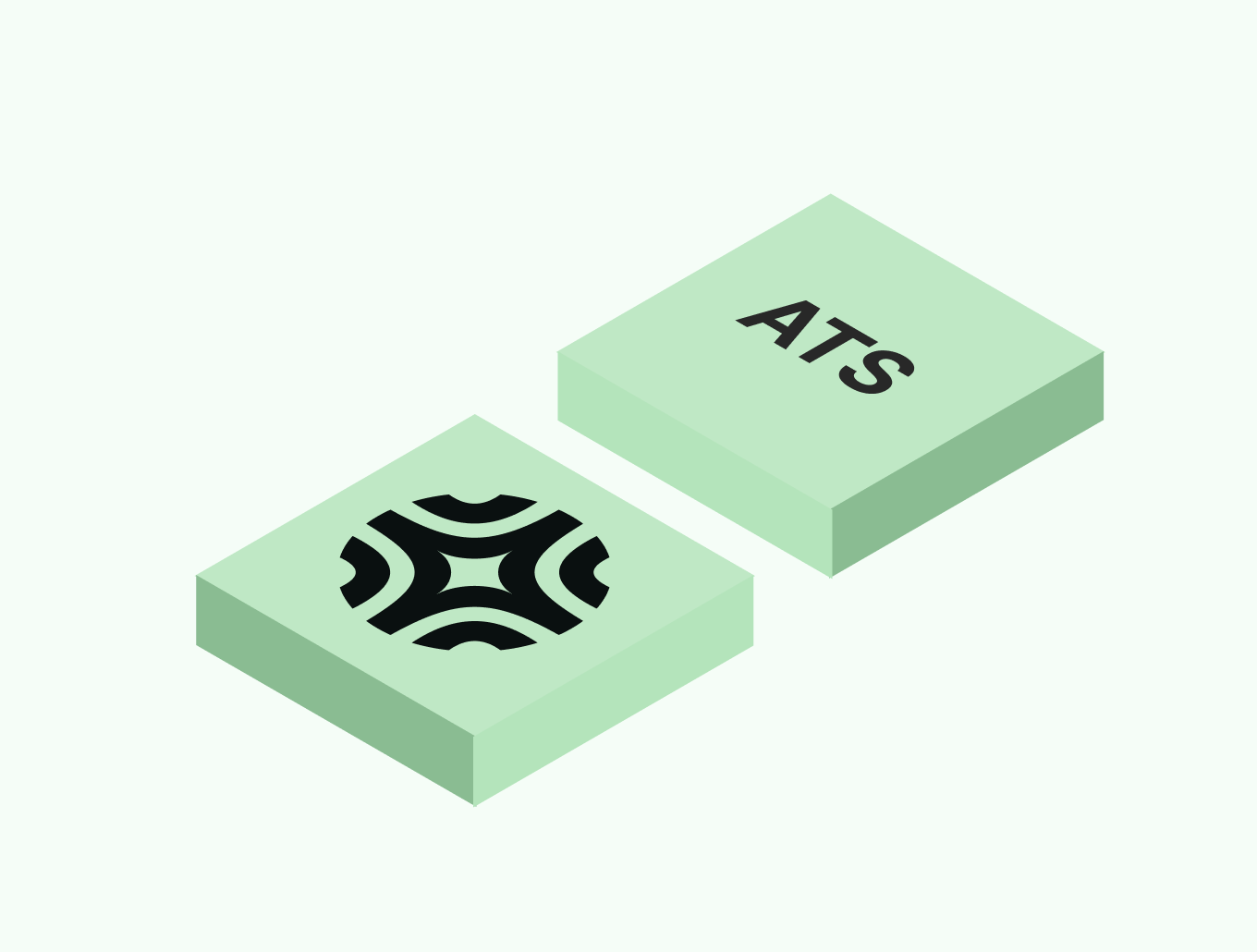
ATS write-back
Booked slot, confirmation status and no-shows are logged automatically back to your ATS.

Workflow example with Scheduling
From threshold cleared to interview confirmed, fully self-served, before a recruiter has even read the result.
The candidate clears the threshold from Screening or Deep Assessment.
Kumi fires and pulls the hiring panel's real availability across Google and Outlook calendars.
The candidate receives a branded booking link, picks a slot and gets immediate confirmation.
Reminders go out automatically, rescheduling is handled if needed, and the ATS is updated in real time.
Interview scheduling software that lives in your ATS
Scheduling is not a bolted-on tool. It is the connective tissue automatically routing candidates between stages.
Kumi runs where your recruiters already work. Like every Maki agent, it is triggered from a stage in your ATS or HRIS: you define the stage, the ATS invites the candidate when they reach it, and the booked slot, confirmation status and any no-show are written back to the candidate record. Nobody logs into a separate interview scheduler tool to find out what happened.
We plug into 30+ ATS, with native integrations for Workday, SAP SuccessFactors, SmartRecruiters and iCIMS. Workday customers configure the Workday stage that triggers Maki and review results natively on the candidate record. It is the set-up Deloitte France runs across all its entities, with Workday as the single system of record for Maki results.
Kumi also picks up where our other agents leave off. When a candidate passes the threshold in a Mochi voice screen, they flow straight to the next stage, and if that stage is an interview, Kumi books it.
What automated interview scheduling changes
Interviewing is one of the slowest legs of a hiring process. SHRM's 2025 benchmarking research describes the path from job posting to offer acceptance as highly segmented, with screening and interviewing alone averaging 8 to 9 days each. A good part of that time is waiting: for a recruiter to read a result, send a link, chase a reply and find an hour that suits three interviewers.
Interview scheduling software earns its place by removing that wait. Kumi books the interview in the same flow as the assessment result, so the candidate hears from you while they are still engaged, and your recruiters spend their time in the interview rather than arranging it. Across our customers that shows up as 45% faster hiring and 250,000+ recruiter hours saved.
Differentiators
Kumi is not a bolted-on tool. It is the connective tissue that routes candidates between stages automatically.
Triggered by signal, not by a recruiter. Kumi fires the moment a candidate clears the threshold. There is no manual hand-off step to add days to the funnel.
Multi-interviewer aware. We coordinate panels with real availability constraints across several interviewers, not just one-to-one slots.
Brand-native, not generic. The booking flow lives inside your brand experience. The candidate never lands on a generic third-party booking screen.


Security
Technology & trust
From compliance certifications to bias audits and AI Act readiness, we built Maki on transparency, safety and fairness. Every score comes with the evidence behind it, so a recruiter, a candidate or a regulator can see why.
Bias-audited AI
Explainable scoring
Ethical AI standards

FAQ
Questions about Maki?
How does Tomo help reduce interview bias?
By making interviews structured and consistent. Every candidate for a role runs through the same plan and is asked about the same competencies, and every observation is anchored in verbatim transcript evidence rather than in memory or gut feel.
Does Tomo guide the interviewer during the call?
Yes. Tomo keeps the interview plan live in front of the interviewer, flags when time is running short on a competency, and surfaces moments worth following up on, so nothing important gets missed. It does not take over the conversation. The interviewer stays in control.
Which video platforms does Tomo work with?
Tomo joins interviews on Zoom, Microsoft Teams, and Google Meet when invited.
Does Tomo replace the interviewer?
No. Tomo handles the capture, structure, and admin so the interviewer can stay fully present with the candidate. The human still asks the questions, reads the person, and makes the decision, now with better structure and evidence behind it.
What is Tomo?
Tomo is Maki's interview co-pilot. It joins your interviews, captures and transcribes them, runs a structured interview plan built by role and competency, guides the interviewer live, and delivers structured notes, competency-level evidence, and a report connected to each candidate inside Maki.
How does Tomo help interviewers?
Tomo is a co-pilot for whoever runs the interview. Live, it handles the plan, pacing and notes so they can focus on the candidate. Afterwards, it turns the conversation into a structured summary. And over time, its insights help interviewers learn from their own interviews. The interviewer stays in charge throughout. Tomo just makes the job easier and the decision better-grounded.